


Sorry, retro travel nerds: you can no longer get traveller’s cheques in Australia.
American Express, historically the biggest provider of traveller’s cheques globally and the inventor of the concept back in 1891, makes this very clear on its site:
Travellers Cheques can no longer be purchased.
The same goes for the Big Four Australian banks (ANZ, CBA, NAB and Westpac). None offer any traveller’s cheque options. That ship has well and truly sailed.
How did traveller’s cheques work? You handed over your cash and got the cheques in return, made out in your currency (or currencies) of choice. Note that the range of currencies could be limited: in the mid-1970s, American Express boasted it was the only cheque available in 6 major currencies.
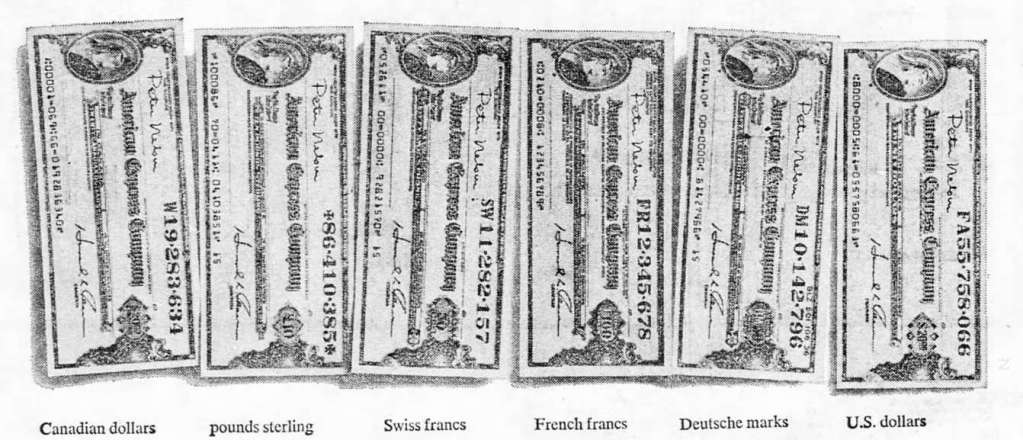
You paid a fee for the service. Just as modern travel cards boast about the lowest fees or best exchange rates, traveller’s cheques also competed on price and where they would be accepted.
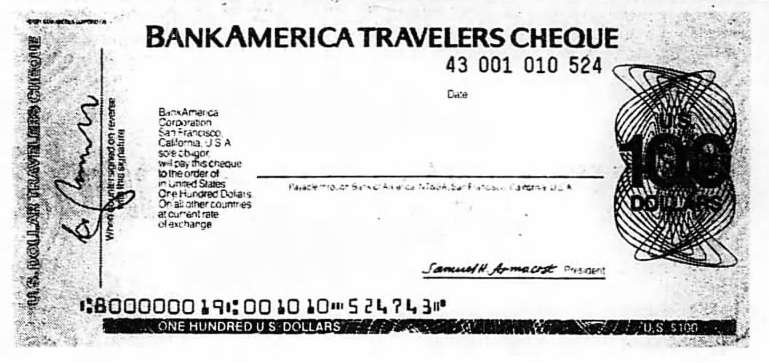
The key security feature of traveller’s cheques was that they had to be signed twice: once when you first got them, and once when you used them. That might be when handed them over as payment – they were widely accepted, especially in shops in touristy locations – or had them converted into local currency at a local bank or your hotel reception.

In a pre-digital era, the double-signing approach made them more secure than plain old cash, though forging the signature was not impossible, obviously. Each cheque also had a unique ID number, so if you misplaced them, you could have them cancelled and reissued. That security aspect was widely promoted, as you can see in this vintage 1960 American Express ad:

When credit cards weren’t widespread, traveller’s cheques were a useful way of having access to multiple currencies on an “as you go” basis. But the rise of credit cards and digital payments means they’re no longer necessary, or in demand.
If you have an old American Express traveller’s cheque sitting around, you can still redeem it, either via the Amex site or through various travel currency offers. But you’ll have to pay a fee, and it might not be worth the hassle.
If you’ve found an old cheque in the drawers of a deceased relative, it’ll be even more palaver – because the cheque needs to be countersigned. You’ll need to chat to Amex to sort out your options in that case.
I saw them advertised in my youth, but I’ve never made use of traveller’s cheques. For all my overseas travel as an adult, I’ve opted for a mixture of credit cards and local banknotes. These days, it’s almost always credit cards. I want the points.
And a grammar nerd note: yes, it’s traveller’s cheque, not travellers cheque or travellers’ cheque. It can only be used by an individual traveller. American English would use traveler’s check, but there’s no call for that sort of approach round here. Though, as you can see, the single-L spelling did get used in a lot of vintage ads.
For more dives into travel history, check out whether Qantas invented the term “codeshare” and learn about the most basic railway station in NSW.
Leave a Reply